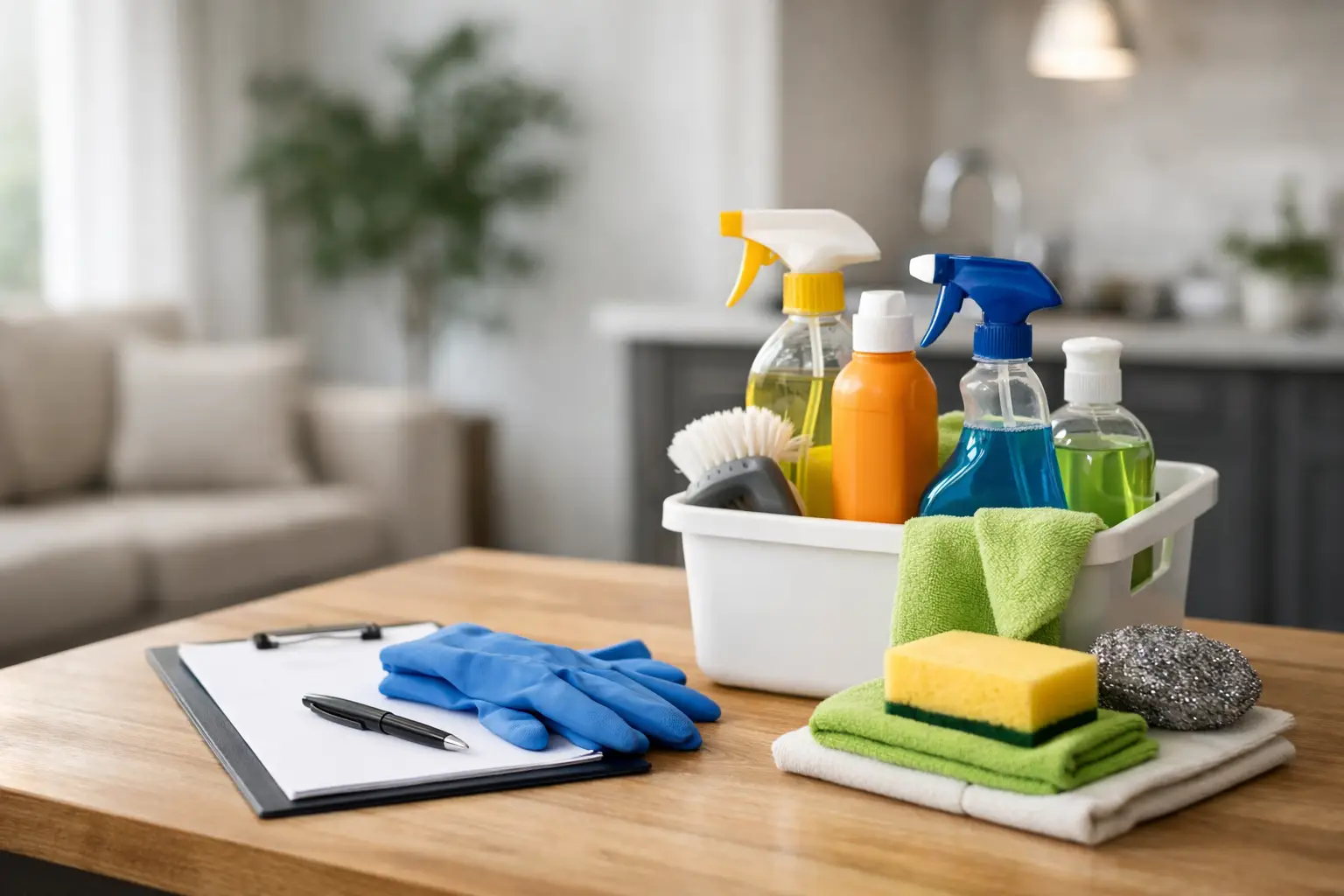
If your home looks mostly tidy but still feels dusty, dull, or harder to manage than it should, a deep cleaning house checklist can help you reset it with purpose. Deep cleaning goes beyond the quick pickup and weekly wipe-down. It targets the buildup in corners, behind furniture, on baseboards, inside appliances, and in the places that quietly affect comfort, air quality, and peace of mind.
For many households in Dayton and the surrounding communities, deep cleaning is less about perfection and more about getting back to a healthy baseline. Maybe you’re catching up after a busy season, preparing for guests, settling into a new home, or simply tired of feeling behind. A clear checklist makes the work feel manageable and helps you focus on what will make the biggest difference.
What a deep cleaning house checklist should cover
A useful deep cleaning plan is not just a long list of chores. It should follow the way dirt actually builds up in a home. That usually means starting high, working downward, and giving extra attention to surfaces that collect grease, moisture, dust, and bacteria.
In most homes, the biggest impact comes from the kitchen, bathrooms, floors, and overlooked detail areas. Bedrooms and living spaces matter too, especially if dust, pet hair, or clutter have started to spread from room to room. The goal is not to clean every possible item in one day. The goal is to restore order and cleanliness in a way you can maintain afterward.
Start with a whole-house reset
Before room-by-room cleaning begins, do a quick pass through the house. Pick up items that belong elsewhere, gather trash, remove empty boxes or papers, and clear surfaces as much as possible. Deep cleaning is slower and less effective when you’re constantly working around clutter.
Next, dust high surfaces first. Ceiling fan blades, vents, light fixtures, shelf tops, window ledges, and door frames are easy to miss during routine cleaning. Once that dust falls, you can address furniture, counters, and floors without having to repeat steps. This order saves time and produces better results.
If you have pets, young children, or allergy concerns, this part matters even more. Dust buildup is not just cosmetic. It can affect how fresh and comfortable a home feels day to day.
Kitchen deep cleaning house checklist essentials
The kitchen usually needs the most detailed work because it collects grease, crumbs, fingerprints, spills, and food residue all at once. Start with countertops, cabinet fronts, backsplash areas, and the exterior of major appliances. Handles, switches, and frequently touched surfaces deserve extra attention.
Then move to the inside jobs that often get postponed. Wipe out the microwave, clean the refrigerator shelves and drawers, and address the oven if buildup has become noticeable. Sinks should be scrubbed thoroughly, including the faucet base and drain area, where grime tends to collect even in otherwise clean kitchens.
Cabinet tops and the space under small appliances are also worth checking. These hidden spots are where grease and dust combine, especially near the stove. Floors should be vacuumed and mopped last, with attention to edges, corners, and beneath chairs or movable bins.
It helps to be realistic here. If the oven and refrigerator both need intensive attention, that alone can take a significant amount of time. Some households split kitchen deep cleaning into two sessions rather than trying to finish everything at once.
Bathrooms need detail, not just surface shine
A bathroom can look clean at a glance and still need deeper work. A proper reset includes scrubbing the tub or shower walls, removing soap scum, cleaning glass doors or tracks, disinfecting the toilet fully, and wiping down vanities, mirrors, and fixtures.
Look closely at the spots that routine cleaning often skips. That may include behind the toilet base, around faucet edges, cabinet fronts, exhaust fans, light switches, and grout lines. If moisture has lingered, these are the places where buildup becomes obvious over time.
Fresh towels and a clean bath mat make a difference, but the real value comes from cleaning the hidden problem areas. In family homes, bathrooms often need the most frequent deep attention because they get used hard and fast every day.
Bedrooms and living areas deserve more than dusting
In bedrooms, start by changing bedding and checking under the bed for dust, lost items, and neglected clutter. Wipe furniture surfaces, lamps, headboards, and baseboards. If you have window blinds, these can hold a surprising amount of dust and should be cleaned carefully.
Living rooms and family spaces need similar attention. Dust electronics carefully, wipe coffee tables and side tables, clean around decor items, and vacuum upholstery if your vacuum allows for it. Move lighter furniture when possible so you can reach the floor underneath, especially in homes with pets or heavy foot traffic.
This is also a good time to spot-clean walls, doors, and trim. Fingerprints around light switches and door handles can make a room feel less clean even after everything else has been addressed.
Floors, baseboards, and edges change the whole feel of a home
If there is one part of a deep clean that delivers instant visual payoff, it is the lower half of the room. Vacuum carpets thoroughly, including edges and under furniture where practical. Hard floors should be vacuumed or swept first, then mopped with attention to corners and along baseboards.
Baseboards themselves are one of the most noticeable deep-clean details. When they are dusty or scuffed, the whole room can feel unfinished. When they are clean, the space looks brighter and more cared for. The same is true for stair railings, trim, and door frames.
This step can feel tedious, but it is often what separates a routine clean from a true reset.
Don’t forget doors, touchpoints, and overlooked surfaces
A strong checklist includes the places people touch every day without thinking about them. Light switches, door knobs, cabinet pulls, refrigerator handles, remote controls, and stair rails all collect oils and germs quickly.
Interior doors should be wiped, especially around the handle area. Entryways deserve special focus too, since they bring in dirt from outside and often become drop zones for shoes, bags, coats, and daily clutter. Cleaning these areas helps the entire house stay cleaner longer.
Windows are another it depends category. Full interior window cleaning may be part of your deep clean, but not every household needs it every time. If smudges, dust, or seasonal buildup are noticeable, it is worth doing. If not, that task may be better saved for a seasonal round.
How to make the checklist realistic
The biggest mistake people make with deep cleaning is trying to do everything in one day with no plan. That usually leads to half-finished rooms and frustration. A better approach is to decide whether you are doing a full-house reset, focusing on priority rooms, or preparing for a specific event like guests, a move, or a home listing.
For example, if your main concern is hygiene and daily comfort, start with the kitchen, bathrooms, and floors. If presentation matters most, such as before hosting or selling, spend more time on entry areas, windows, visible surfaces, and rooms buyers or guests will notice first.
This is where professional help can make a real difference. Some homes need a one-time deep clean to catch up, then routine service to maintain the result. Others only need seasonal support a few times a year. Miami Valley Cleaning often works with households in exactly these situations, where time is limited but the need for a clean, healthy home is not.
When a professional deep clean makes sense
There are times when doing it yourself is practical, and times when it is simply too much. If you are managing a move, recovering from illness, balancing work and family demands, or trying to prepare a property quickly, hiring professionals may be the more efficient choice.
A professional deep clean is also helpful when consistency matters. Trained cleaners know where buildup hides, what products and methods are appropriate for different surfaces, and how to work through a home methodically. That can save hours and reduce the stress of wondering what got missed.
The right checklist is not about chasing perfection. It is about creating a home that feels healthier, calmer, and easier to live in. Start where the buildup is most noticeable, work in a logical order, and give yourself permission to get help when the job is bigger than the time you have. A clean home should bring relief, not more pressure.