
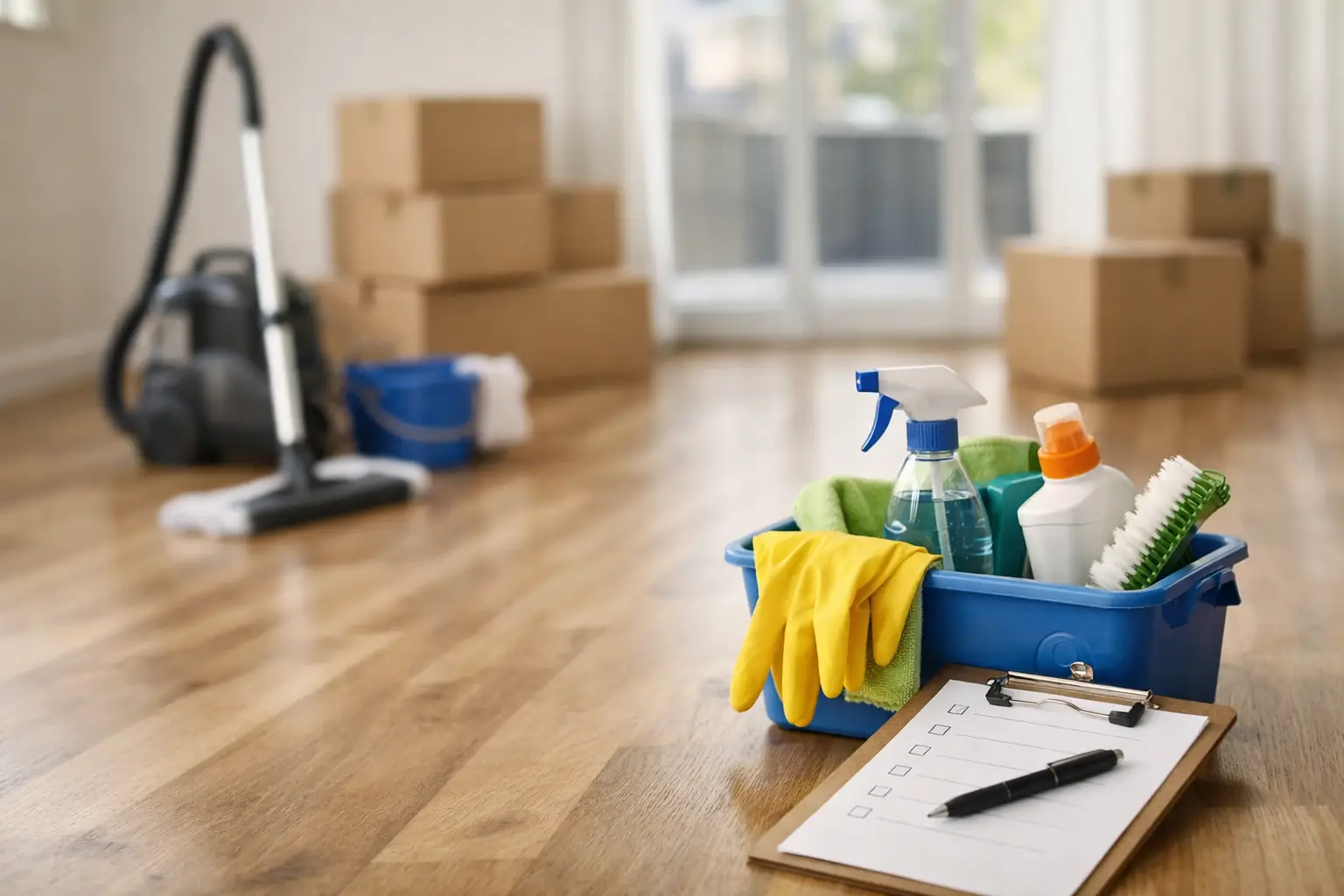
The last week before a move has a way of turning small messes into big problems. Once furniture is gone and the walls are bare, every dusty baseboard, smudged cabinet, and forgotten crumb suddenly stands out. A solid move out cleaning checklist helps you stay organized, protect your deposit when possible, and leave the property in the kind of condition you would want to walk into yourself.
Move-out cleaning is different from everyday upkeep. Regular cleaning keeps a home comfortable while you live in it. Move-out cleaning is about detail. It means reaching the spots that are usually hidden by rugs, furniture, and appliances, and making sure the space feels truly reset for the next tenant, buyer, or owner.
Why a move out cleaning checklist matters
When people are packing, coordinating movers, changing addresses, and keeping up with work or family responsibilities, cleaning often gets pushed to the very end. That is usually when it becomes rushed. The result is missed areas, uneven results, and extra stress on an already full schedule.
A move out cleaning checklist gives structure to the process. Instead of walking room to room wondering what you forgot, you can work in a clear order. That saves time, but it also improves the quality of the clean. In rentals, that can support deposit return expectations. In home sales, it helps a property show better for final walkthroughs and handoffs. For landlords and real estate professionals, it creates a stronger first impression.
It also helps to know that not every move-out clean is the same. A studio apartment with no pets will need something different than a large family home with carpeted stairs, inside cabinets full of dust, and an oven that has not had a deep clean in years. The right checklist should be thorough, but realistic.
Start with the right order
Before you clean, remove everything that belongs to you. That includes furniture, storage bins, wall decor, shower items, and food from the pantry and refrigerator. Cleaning around leftover belongings slows everything down and makes it harder to see what still needs attention.
Once the space is empty, work from top to bottom. Dust settles downward, so ceiling fans, shelves, vents, and trim should be handled before floors. It also helps to clean one room completely before moving to the next, especially if you are trying to stay focused during a busy move.
If utilities are still on, keep them on until cleaning is done. Good lighting, hot water, and working outlets make a noticeable difference, especially in kitchens and bathrooms.
Room-by-room move out cleaning checklist
Kitchen
The kitchen usually takes the most time. Grease, food residue, and cabinet dust build up gradually, so they are easy to overlook until the room is empty.
Wipe down all countertops, backsplashes, cabinet fronts, and drawers. Clean inside cabinets and pantry shelves, especially where crumbs or spills have collected. Pay attention to handles, edges, and corners, since those are common touchpoints.
The sink should be scrubbed and rinsed well, with the faucet polished and the drain area cleared of residue. Appliances deserve extra attention. Clean the inside and outside of the microwave, wipe the dishwasher door and gasket, and clean the refrigerator shelves, drawers, and door bins after it has been emptied. If the stove and oven are part of the move-out requirements, remove built-up grease from burners, control knobs, the oven door, and interior surfaces.
Finish by checking behind and beneath appliances if they can be safely moved. Even a quick pass in those hidden areas can make the entire kitchen feel cleaner.
Bathrooms
Bathrooms need more than a quick wipe-down. Any soap scum, water spots, toothpaste splatter, or product residue left behind will be obvious in an empty space.
Scrub the toilet inside and out, including the base. Clean the sink, vanity top, faucet, and mirror until they are free of streaks and buildup. Tubs and showers should be washed thoroughly, with special attention to corners, grout lines, shelves, and doors or curtains if they are staying.
Wipe cabinets inside and out, and make sure drawers are empty and clean. Replace burned-out bulbs if needed, dust vent covers, and check that floors around the toilet and along baseboards are fully cleaned, not just the center of the room.
Bedrooms and living areas
These rooms can seem simple, but they often hold more dust than expected. Once beds, sofas, and bookshelves are gone, you will usually find debris along the perimeter of the room.
Dust ceiling fans, light fixtures, vents, blinds, windowsills, and baseboards. Wipe closet shelves and rods, and remove any remaining hangers, hooks, or personal items. Clean doors, door frames, and light switches, since fingerprints collect there over time.
If walls have small marks, a gentle spot clean may help, though this depends on the paint finish. Some surfaces can be cleaned easily, while others may scuff or lose color if scrubbed too hard. That is one of those areas where careful judgment matters.
Entryways, hallways, and stairs
These transition spaces get heavy traffic during move-out, so it is smart to clean them after most boxes have been removed. Dust trim and railings, wipe doors, and check corners for cobwebs or dirt tracked in during the final days.
Stairs tend to hold onto dust along the edges, and handrails often need more attention than people expect. A clean entryway helps the whole property feel cared for from the moment someone walks in.
Floors and finishing details
Floor care can make or break the final result. Hard floors should be swept and mopped after all dusting and wiping are complete. Pay attention to edges, behind doors, and the spaces where furniture used to sit.
Carpeted rooms should be vacuumed slowly and thoroughly. If there are stains, odors, or visible wear patterns, standard vacuuming may not be enough. In some move-out situations, professional carpet cleaning is worth considering, especially if a lease requires it or pets were in the home.
Windows are another finishing detail that can lift the appearance of the entire property. Interior glass, sills, and tracks often collect dust and debris. You may not need a full window restoration, but removing fingerprints and buildup can make rooms look brighter and more cared for.
Easy-to-miss areas people forget
A good move out cleaning checklist should catch the spots most people miss. These are the details that often stand out during inspections or walkthroughs:
- Inside drawers and cabinets
- Baseboards and door frames
- Light switches and outlet covers
- Ceiling fan blades and vent covers
- Behind toilets and around appliance edges
- Closet shelves and rods
- Window tracks and blinds
- Refrigerator and oven interiors
These areas do not always take long, but they do take intention. Skipping them is usually what makes a home feel only partially clean.
When DIY works and when professional help makes sense
Some move-out cleaning jobs are manageable on your own, especially if the home has been maintained well and you have a full day set aside. If you are organized, the property is already mostly empty, and the condition is straightforward, a DIY clean can absolutely work.
But there are times when bringing in professionals is the better choice. If you are moving on a tight schedule, managing kids or work, coordinating a home sale, or cleaning a larger property, the time pressure alone can be enough reason. The same goes for homes that need a deeper reset, including built-up kitchen grease, neglected bathrooms, pet hair, or dust throughout cabinets and trim.
That is where a local company like Miami Valley Cleaning can take a major task off your list. Professional move-out cleaning is not just about convenience. It is about consistency, detail, and the peace of mind that comes from knowing the property is ready for what comes next.
A practical way to stay on track
If you are doing the cleaning yourself, try splitting the job across two stages. Clean as you pack during the days leading up to the move, then save final floors, bathrooms, and touch-ups for after everything is out. That approach is usually easier than waiting until the home is empty and trying to do everything at once.
Take photos when each room is finished if you are leaving a rental. It helps you document the condition of the space and gives you a quick way to double-check that nothing was missed. Keep a small caddy with basics like microfiber cloths, an all-purpose cleaner, glass cleaner, a scrub brush, vacuum, and mop so you are not hunting for supplies at the last minute.
Moving is already a lot to carry. A thoughtful move out cleaning checklist brings order to the final stretch and helps you leave the space with confidence, whether you are handing over keys, preparing for a sale, or simply closing one chapter well before starting the next.