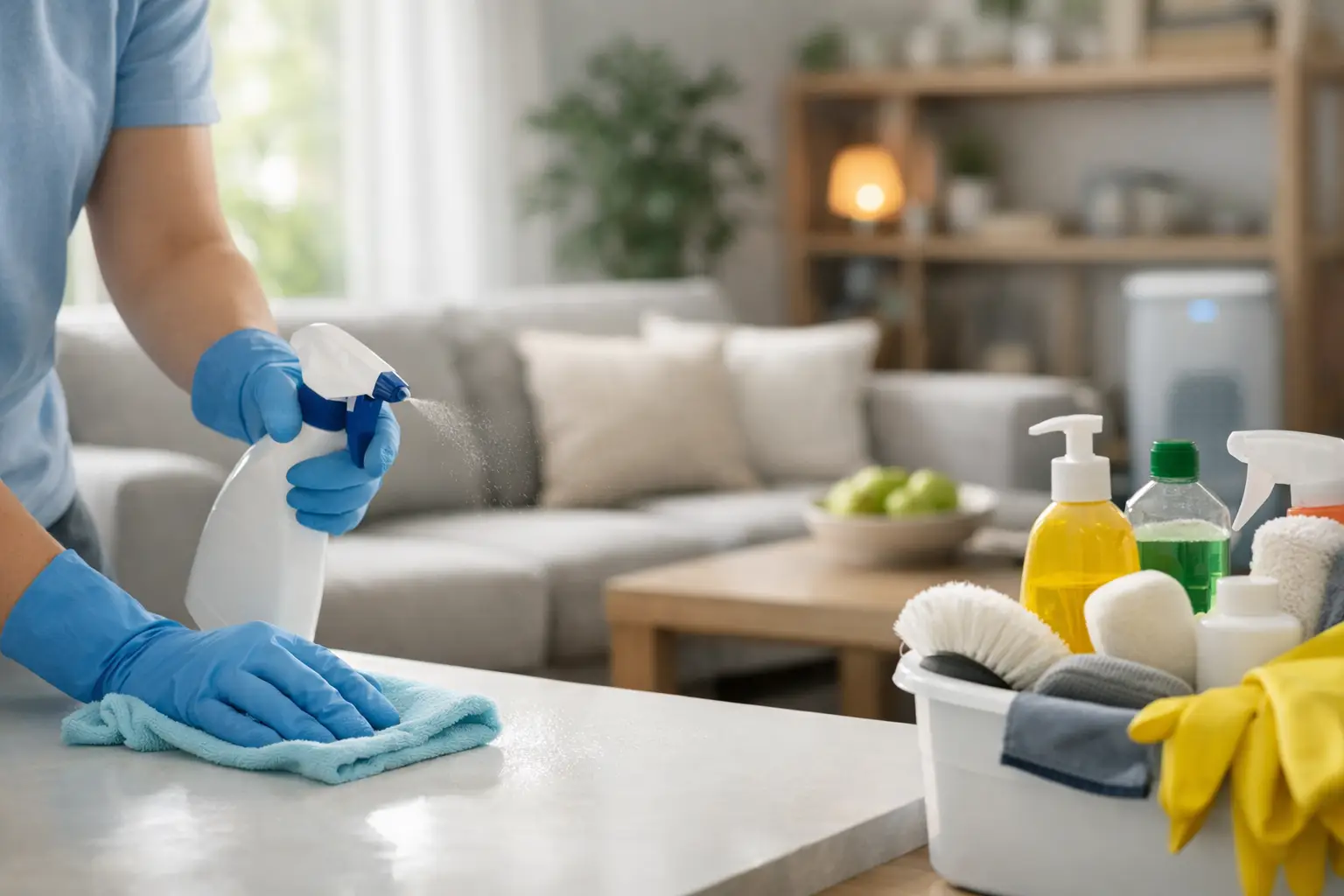
A room can look tidy and still be working against your health. Dust settles into vents and baseboards, kitchen surfaces collect residue you cannot always see, and high-touch areas quietly spread germs from one person to the next. That is exactly how cleaning improves indoor health – not just by making a space look better, but by removing the buildup that affects the air you breathe, the surfaces you use, and the comfort of your everyday routine.
For homeowners, renters, and small office managers around Dayton, that difference matters. When cleaning is consistent and thorough, the space feels fresher, functions better, and supports a healthier day-to-day environment. For busy families, people managing allergies, and anyone juggling work and home responsibilities, regular cleaning can be one of the simplest ways to reduce indoor irritants before they become a bigger problem.
How cleaning improves indoor health every day
Indoor health is shaped by what lingers in a space over time. Dust, pet dander, pollen, food particles, moisture, bacteria, and everyday grime do not stay neatly contained. They move through the air, collect on surfaces, and settle into soft materials like rugs, upholstery, and bedding.
Cleaning helps interrupt that cycle. When floors are vacuumed, surfaces are wiped down, and bathrooms and kitchens are cleaned properly, there is less material sitting in the home that can affect breathing, trigger sensitivities, or contribute to odors and contamination. The result is not a sterile house, and most families do not need one. What they do need is a consistently maintained environment that does not allow buildup to take over.
That is where routine matters. A one-time reset can make a big difference, but ongoing cleaning usually has the strongest impact because it keeps pollutants and residue from accumulating again too quickly.
Dust and allergens do more than make a home look dirty
One of the clearest examples of how cleaning improves indoor health is its effect on allergens. Dust is not just dirt. It often contains dead skin cells, fabric fibers, pet dander, pollen, and microscopic debris from outdoors. Once it builds up, it can be stirred into the air every time someone walks across the room, sits on the couch, or turns on the heat or air conditioning.
For people with allergies or asthma, that can mean more sneezing, itchy eyes, congestion, or irritation. Even for people without diagnosed sensitivities, a dusty environment can feel stale and uncomfortable.
Regular vacuuming, dusting, and attention to overlooked areas like ceiling fans, blinds, vents, and baseboards help reduce that load. It also matters how cleaning is done. Dry dusting can sometimes move particles around instead of removing them, while a more thorough approach lifts and contains more of what would otherwise stay in the room.
This is one reason deep cleaning can be especially helpful during seasonal changes in Ohio, when pollen, mud, and shifting indoor heating and cooling patterns can make indoor spaces feel heavier and less fresh.
Kitchens and bathrooms affect health in obvious and less obvious ways
Most people recognize kitchens and bathrooms as the areas where hygiene matters most, but the impact goes beyond visible mess. Crumbs, grease, soap scum, standing moisture, and bacteria all create conditions that can affect cleanliness and comfort quickly.
In the kitchen, counters, sinks, appliance handles, and floors collect food residue and moisture throughout the day. If those surfaces are only cleaned lightly or inconsistently, bacteria can spread more easily, especially in households with children, frequent cooking, or shared spaces. Refrigerator shelves, oven interiors, and hard-to-reach corners also tend to hold buildup longer than people realize.
Bathrooms have a different set of concerns. Moisture and poor ventilation can encourage mildew and odor issues, while toilets, sinks, faucets, and handles are some of the highest-touch surfaces in any home or office. Regular cleaning helps keep those areas sanitary and lowers the chance that germs will spread through daily use.
A clean bathroom and kitchen are not just about presentation. They support a safer environment for eating, washing, and everyday living.
Floors hold onto more than you think
Floors take in everything that comes through the door. Shoes track in dirt, pollen, salt, grass, and bacteria from outside. Pets add fur and dander. Kids bring in whatever was on the playground, driveway, or school floor. In offices, shared foot traffic increases that load even more.
Hard floors can look clean while still holding residue in corners and along edges. Carpet can trap dust and allergens deep into the fibers, especially in high-traffic areas. That does not mean carpet is unhealthy by itself, but it does mean it needs regular care to avoid becoming a collection point for particles that keep circulating indoors.
Consistent sweeping, mopping, and vacuuming help reduce what sits underfoot and what gets kicked back into the air. For households with pets, children, or allergy concerns, floor care often has an outsized effect on how fresh a space feels.
Cleaning supports healthier indoor air quality
When people think about air quality, they often think first about filters, windows, or HVAC systems. Those matter, but cleaning plays a direct role too. Indoor air quality is affected by what is allowed to accumulate on surfaces and soft materials over time.
Dust on shelves does not stay on shelves forever. Pet hair under furniture does not stay put. Residue on vents and fan blades can keep recirculating. Even clutter can make effective cleaning harder, allowing dust and debris to remain in place longer.
This is where a well-cleaned home or office often feels different right away. The air may seem lighter, odors may fade, and the whole space can feel easier to settle into. That is not just perception. Removing particles and buildup reduces what is available to move through the indoor environment.
It depends, of course, on the condition of the space. A home with pets and carpeted bedrooms may need more frequent attention than a smaller apartment with hard floors. An office with steady visitor traffic will have different cleaning demands than a private home office. The right schedule is not the same for everyone, but consistency matters in every setting.
A cleaner space can reduce stress and support better routines
Indoor health is not only physical. The condition of a space also affects how people feel in it. When counters are sticky, bathrooms feel neglected, and dust is collecting in every corner, home becomes more draining. That kind of environment can raise stress, make daily tasks feel heavier, and leave people feeling like they are always behind.
A clean space supports better habits because it removes friction. It is easier to prepare meals in a clean kitchen, sleep well in a fresh bedroom, and focus in an organized office. Families often notice that when the home is consistently cleaned, there is less tension around chores and fewer last-minute scrambles before guests arrive or the workweek starts.
That peace of mind has real value. It may not show up on a checklist the way vacuum lines or sparkling counters do, but it is part of why professional cleaning is about more than appearance.
When professional cleaning makes the biggest difference
There are times when regular upkeep at home is enough, and times when it is not. Busy schedules, health issues, major life transitions, hosting events, moving, and preparing a property for sale can all make cleaning harder to stay ahead of. In those situations, deeper or recurring service often helps restore a healthier baseline more effectively than trying to catch up little by little.
Professional cleaning can also reach the areas people tend to miss when they are rushing – behind furniture, along trim, on high-touch surfaces, and in the buildup zones that slowly affect how a home feels. For small offices, it supports a cleaner experience for employees, customers, and visitors without adding more to an already full workload.
For many households in Dayton-area communities, that support is less about luxury and more about keeping the home functional, sanitary, and manageable. Miami Valley Cleaning is built around that practical need: dependable service that helps create healthier, safer, more welcoming spaces without adding stress to your week.
Cleaning is most effective when it is consistent
The biggest benefit does not usually come from one perfect cleaning day. It comes from keeping dirt, allergens, moisture, and bacteria from building up in the first place. That is why recurring service, seasonal resets, and occasional deep cleaning all have a place depending on the space and the season of life.
Some homes need weekly attention. Others do well with biweekly cleaning and a deeper refresh a few times a year. Move-in and move-out situations call for a different level of detail, especially when a space has been vacant, heavily used, or left less than spotless. The right approach depends on how the space is used, who lives or works there, and how much support is needed to keep it healthy.
A cleaner space does more than look ready for company. It helps the people inside breathe easier, feel more comfortable, and spend less energy managing mess and buildup. When cleaning is done well and done consistently, indoor health is not an extra benefit. It is part of the foundation of a home or workplace that truly feels cared for.