
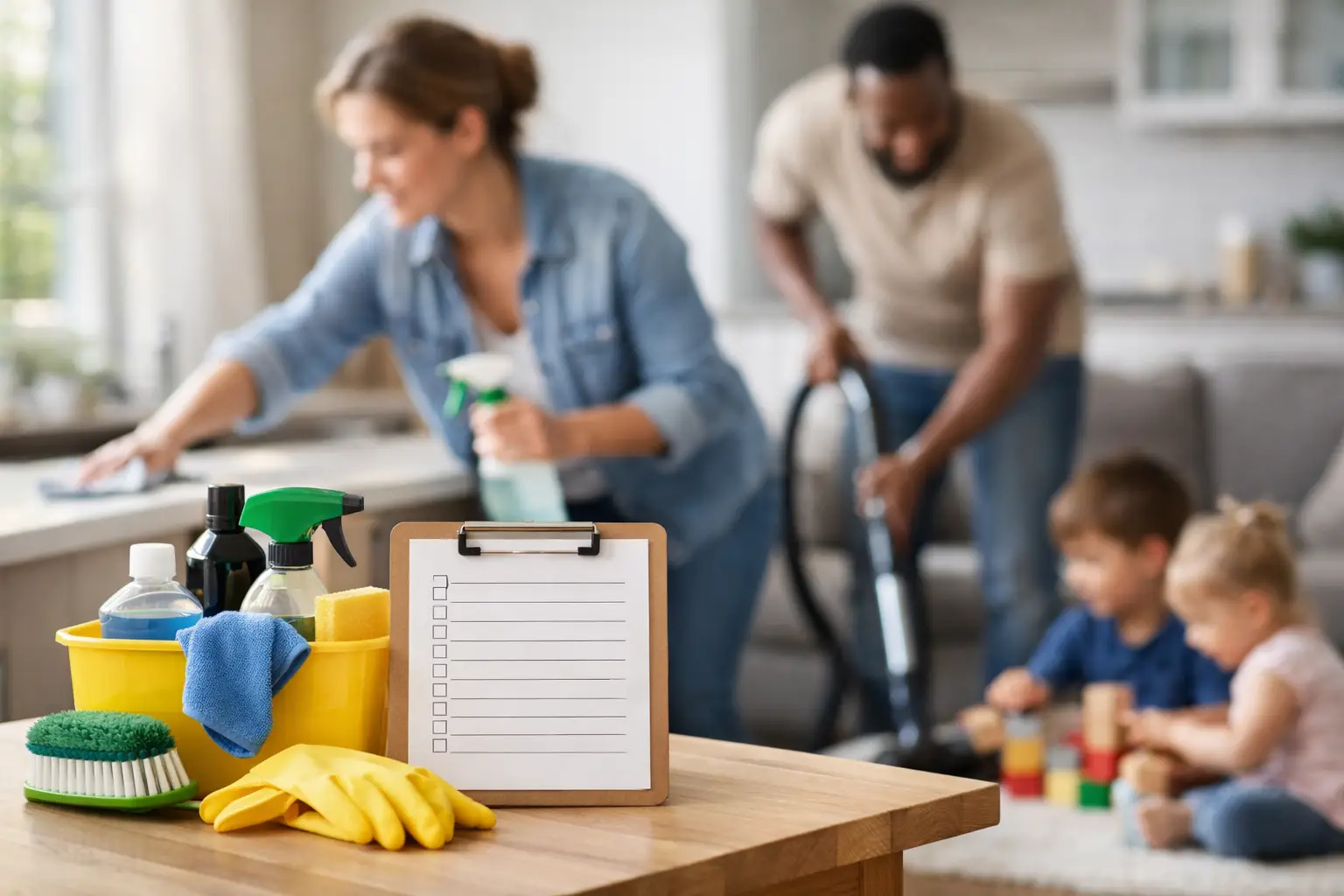
By 7:30 a.m., the dishwasher is half unloaded, someone cannot find a shoe, the dog tracked in mud, and there is already a ring of toothpaste in the sink. For many families, the best cleaning plan for busy parents is not a perfect schedule. It is a realistic one that keeps the home healthy, functional, and under control without asking exhausted adults to spend every evening catching up.
The biggest mistake parents make is treating cleaning like a single large project. That works for about a day, then real life takes over. A better approach is to break housework into small, repeatable actions tied to the pace of family life. When the plan fits your week, it is far more likely to last.
What makes the best cleaning plan for busy parents work
A useful cleaning plan does three things well. It protects the areas that affect daily life most, it keeps mess from building into something overwhelming, and it leaves room for busy seasons when your best effort looks different.
That means your plan should focus first on kitchens, bathrooms, floors, laundry, and clutter. These are the areas that make a home feel stressful fast. Dust on a bookshelf can wait longer than sticky counters, overflowing hampers, or crumbs under the table.
It also means accepting trade-offs. If both parents work, kids are in activities, or a household includes toddlers, pets, or aging family members, daily deep cleaning is not realistic. A good plan prioritizes sanitation and order over perfection. Clean enough to support your family is a better target than spotless at all times.
Start with three cleaning levels
The easiest way to keep up with a home is to separate tasks into daily, weekly, and occasional work. This keeps small messes from turning into weekend-long catch-up sessions.
Daily resets keep chaos from spreading
Your daily reset should take about 15 to 25 minutes total, not hours. The goal is to close the day in better shape than you found it. Wipe kitchen counters, load and run the dishwasher, do a quick sink rinse, put obvious clutter back where it belongs, and sweep or spot-clean the busiest floor areas.
If you have young children, add one five-minute toy pickup before bedtime. If you have pets, include a fast vacuum pass in the rooms where hair collects most. These small habits make the next morning easier, which is often what parents need most.
Weekly tasks handle the real cleaning
Weekly cleaning is where you address bathrooms, change sheets, vacuum more thoroughly, mop hard floors, clean mirrors, and wipe surfaces that do not need daily attention. For most families, these tasks are enough to maintain a comfortable and healthy home if the daily reset is happening consistently.
You do not need to do every weekly job on the same day. In fact, many parents do better when they spread them across the week. Bathrooms on Tuesday, floors on Thursday, sheets on Saturday, and fridge cleanout before trash day can feel much more manageable than giving up half of Sunday.
Occasional cleaning prevents slow buildup
Some work does not need weekly attention but should not be ignored until it becomes a major project. Baseboards, ceiling fans, inside the fridge, oven cleaning, window tracks, and seasonal decluttering belong here. Once every month or two is often enough, depending on the home.
This is also the category where many busy parents benefit from outside help. A deep cleaning a few times a year can reset the whole house and make everyday upkeep much easier.
A realistic weekly rhythm for families
If you want a plan that is easy to remember, assign one focus area to each weekday and keep weekends lighter. This works especially well for households juggling school drop-offs, work schedules, and sports practices.
Monday can be laundry and bedroom pickup. Tuesday can be bathrooms. Wednesday can be kitchen extras like appliance fronts and fridge shelves. Thursday can be floors. Friday can be a whole-house reset before the weekend. Then Saturday and Sunday stay available for family time, errands, or a few occasional tasks if needed.
The exact days do not matter as much as the rhythm. Some households are busiest on weekdays and prefer one longer Saturday clean. Others do best with 10 to 15 minutes each night. The best cleaning plan for busy parents is the one your family can repeat without resentment.
Keep supplies where the mess happens
One reason cleaning feels harder than it should is that supplies are often stored far from where they are needed. When parents have to search for sprays, cloths, or trash bags, even a quick cleanup starts to feel like a chore.
A simple fix is to keep basic supplies in the rooms that need regular attention. A bathroom caddy with disinfecting wipes, toilet cleaner, and microfiber cloths makes a five-minute tidy much more likely. A small kitchen setup with an all-purpose cleaner and extra dishwasher pods saves time too.
This matters even more in larger homes or multi-level homes. Reducing the setup time makes it easier to clean in short bursts between dinner, homework, and bedtime.
Involve kids without expecting too much
Parents often avoid assigning chores because it feels faster to do everything themselves. In the short term, that can be true. Over time, though, children can take on age-appropriate tasks that reduce pressure on adults and teach responsibility.
Younger kids can put toys in bins, match socks, wipe low surfaces, or carry towels to the laundry area. Older kids can unload the dishwasher, vacuum bedrooms, clean bathroom counters, and take out trash. Teenagers can handle much more, especially when expectations are clear.
The key is not turning the house into a constant battle. A few consistent responsibilities usually work better than a long chore chart that everyone starts ignoring by week two.
Know when your home needs a different plan
Not every family needs the same cleaning schedule. A household with one baby and two dogs will have different pressure points than a home with older kids who are rarely there before dinner. If someone in the home has allergies, asthma, or a weakened immune system, floor care, dust control, and bathroom sanitation may need more frequent attention.
Work schedules matter too. If evenings are packed, a morning reset may work better. If both parents are commuting, weekend batching may be more realistic. If one parent works from home, spreading tasks through the week might feel less disruptive.
This is where many families get stuck comparing themselves to routines that were never built for their lives. Your plan should reflect your household, not someone else’s social media version of it.
When professional help makes the plan better
There is a point where a family is not failing at housekeeping. They are simply overloaded. During those seasons, professional cleaning can be the difference between constantly feeling behind and finally feeling settled again.
Recurring service is often the best fit for parents who can manage basic daily resets but struggle to stay on top of bathrooms, floors, and detailed weekly work. A deep cleaning makes sense when the house needs a full reset after a demanding stretch, a new baby, illness, heavy travel, or holiday hosting. One-time or seasonal cleaning can also help before guests arrive or after life gets especially busy.
For families in the Dayton area, a dependable local company like Miami Valley Cleaning can take on the detailed work that is hardest to fit into a full week. That support does more than improve appearance. It gives parents back time, lowers stress, and helps the home feel calmer and healthier.
The best plan is the one that lowers stress
A clean home should support family life, not take it over. If your current routine leaves you frustrated, behind, or spending every free hour catching up, the problem is probably not effort. It is that the system no longer fits your reality.
The best cleaning plan for busy parents is simple enough to follow on ordinary days and flexible enough to survive hard weeks. Keep daily resets short, spread weekly tasks across the calendar, let some things wait, and get help when the load becomes too heavy. A home does not need to be perfect to feel clean, welcoming, and well cared for.
When your plan matches your real life, cleaning stops feeling like a losing battle and starts feeling like one less thing your family has to worry about.