A home can look tidy and still hold onto dust, odors, allergens, and grime in the places people touch most. That is why healthy home cleaning tips matter – not just for appearances, but for the way your space feels day to day. For busy households in Dayton and surrounding communities, the goal is usually simple: a home that feels fresh, safe, and easier to live in without adding more stress to the week.
Healthy Home Cleaning Tips Start With the Right Priorities
A healthier home is not always the one with the strongest-smelling products or the most packed cleaning cabinet. In many cases, better results come from consistency, ventilation, and attention to the surfaces that affect daily life the most. Kitchen counters, sinks, bathroom fixtures, floors, doorknobs, light switches, and shared living spaces usually deserve more focus than areas that rarely get touched.
That shift in priority helps families clean smarter. If time is limited, it makes more sense to stay ahead of germs, dust, and food residue than to spend an hour organizing supplies under the sink. A practical cleaning routine starts by protecting the spaces where people cook, gather, sleep, and get ready for the day.
Focus on High-Touch Areas First
If you only have a short window to clean, start with what hands touch constantly. Door handles, appliance pulls, faucet handles, toilet flush levers, remotes, and phones collect more buildup than many people realize. Wiping these areas regularly can make a real difference, especially during cold and flu season or when several people are moving through the same space each day.
This does not mean every surface needs heavy disinfecting every day. Sometimes a thorough clean with the right product and a clean cloth is enough. The key is frequency and follow-through, not overdoing it.
Use Products That Clean Well Without Overcomplicating the Job
One common mistake is assuming more products mean a cleaner home. In reality, too many chemicals, too much fragrance, or using the wrong product on the wrong surface can create new problems. Residue can build up, indoor air can feel harsh, and delicate finishes can wear down faster.
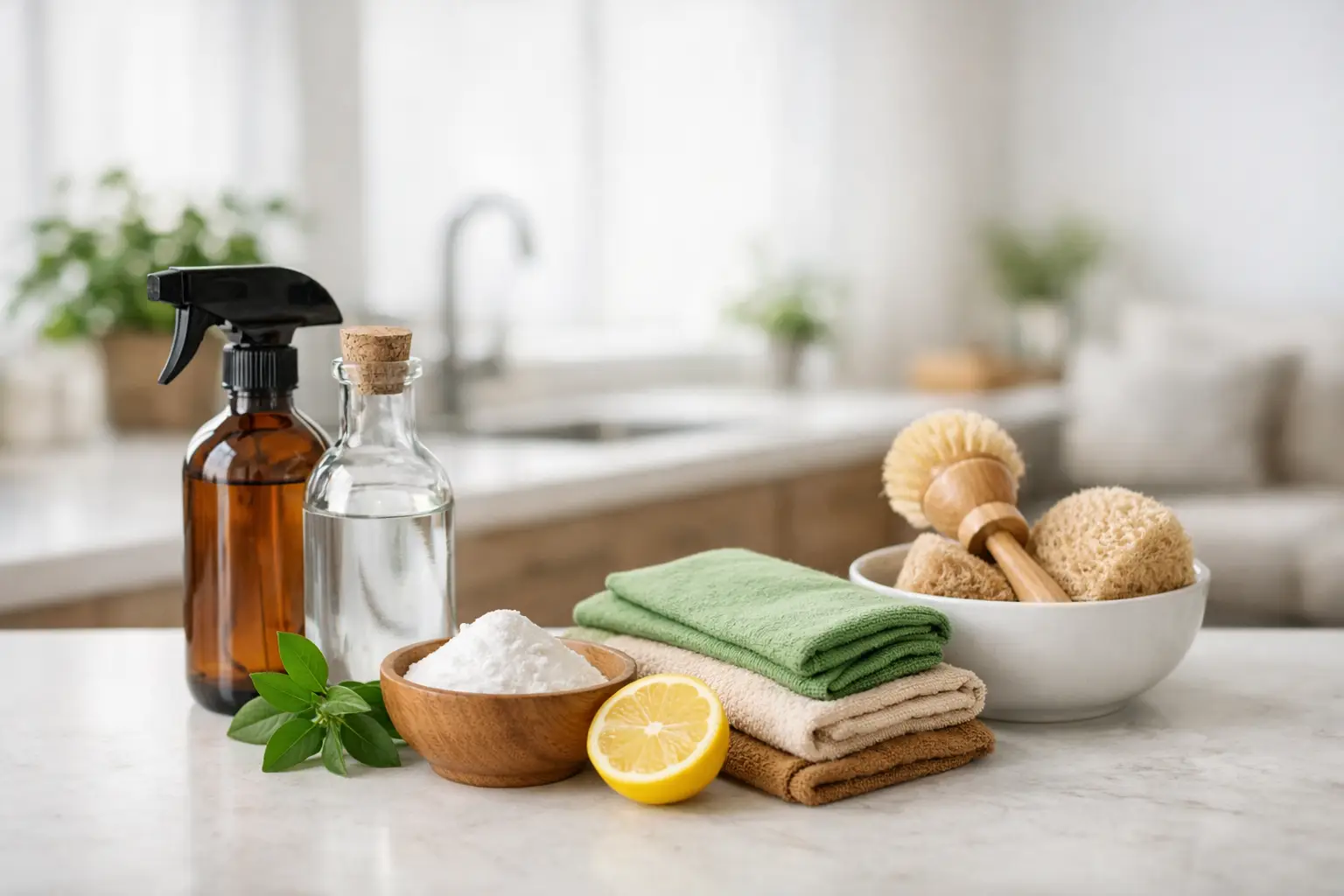
A simpler approach usually works better. Choose dependable products that fit the material you are cleaning and follow label directions. In kitchens and bathrooms, that often means using products designed to break down grease, soap scum, and common bacteria without leaving behind heavy residue. In homes with children, pets, or sensitivities, low-odor or more straightforward product choices can be the better fit.
There is also a trade-off to keep in mind. Natural or milder products can be a great option for routine upkeep, but some jobs, like deep bathroom buildup or move-out cleaning, may call for stronger solutions and more detailed technique. Healthy cleaning is not about using the gentlest product in every situation. It is about using the safest effective method for the job.
Improve Air Quality While You Clean
A clean home should smell fresh because it is clean, not because strong scents are covering something up. Good airflow is one of the most overlooked parts of a healthy cleaning routine. Opening windows when weather allows, running exhaust fans, and replacing HVAC filters on schedule can help reduce dust and stale air.
Vacuuming matters here too, especially in homes with carpet, pets, or allergy concerns. Floors trap dirt that gets stirred back into the air with normal daily activity. A consistent vacuuming schedule, paired with mopping hard floors and dusting with effective cloths instead of spreading debris around, helps improve the overall feel of the home.
Soft surfaces also deserve attention. Upholstery, rugs, and bedding hold onto dust and odors more than people expect. Washing linens regularly and not ignoring the couch cushions can make a room feel cleaner even before you touch the visible surfaces.
Healthy Home Cleaning Tips for Kitchens
The kitchen affects health more directly than almost any other room. It is where food is stored, prepared, and often eaten in a hurry. That means crumbs, spills, grease, and bacteria can build up fast.
Start with the sink, counters, and frequently handled appliance surfaces. These areas should be cleaned often enough that grime never has time to set in. Refrigerator handles, microwave buttons, cabinet pulls, and the space around the trash can are easy to miss but worth regular attention.
It also helps to clean in a sequence that prevents redoing work. Put away food first, clear surfaces, wipe crumbs and debris, clean the sink, then sanitize the food prep areas as needed. If you clean the counters while clutter is still sitting out or before dishes are addressed, the kitchen can feel messy again almost immediately.
Appliances need occasional deeper attention too. Oven buildup, sticky refrigerator shelves, and grease around stovetops affect both cleanliness and odor. These are often the tasks homeowners put off the longest, which is understandable. They are also some of the tasks that make the biggest difference once done well.
Bathrooms Need More Than a Quick Wipe-Down
Bathrooms can look clean at a glance while still holding soap scum, moisture, and hidden grime. For a healthier result, pay close attention to areas where moisture sits. That includes shower doors, grout lines, faucets, the base of the toilet, and sink overflow areas.
Mildew and lingering dampness are often signs that a bathroom needs more ventilation and more consistent cleaning, not just stronger products. Running the fan during and after showers, drying certain surfaces, and staying ahead of buildup can help prevent bigger issues later.
Towels and bath mats matter as much as fixtures. If they stay damp too long, they can affect the freshness of the whole room. Washing them regularly and allowing them to dry fully is a small habit that supports a healthier space.
Reduce Dust Instead of Chasing It Around
Dusting is frustrating when it feels like nothing changes for long. Part of the problem is method. Dry dusters and worn-out cloths often move particles around instead of removing them. Using quality microfiber cloths and working from higher surfaces down gives better results.
Ceiling fans, baseboards, blinds, vents, and window ledges are common dust collectors that change how clean a room feels. If these areas are skipped for too long, even freshly vacuumed floors and wiped counters do not create the same sense of freshness.
For households with pets, kids, or a lot of foot traffic, dust control usually needs to happen more often. That does not mean every room needs a full reset every day. It means building a realistic routine that keeps buildup from becoming overwhelming.
Keep Cleaning Tools Clean Too
One detail that gets missed often is the condition of the tools doing the cleaning. A dirty mop head, full vacuum, or used-up sponge can spread odors and bacteria instead of removing them. Healthy cleaning depends on clean tools.
Wash reusable cloths regularly, replace sponges often, and empty vacuum bins before performance drops. If something smells bad before you start cleaning, it will probably not help your home feel cleaner when you are done.
This is also where professional support can make sense. Some homeowners keep up well with daily tasks but struggle with the deeper reset that restores the whole home. Services like seasonal cleaning, recurring cleaning, or targeted kitchen and bathroom deep cleaning can help bring things back to a healthy baseline and make upkeep easier after that.
Build a Routine You Can Actually Maintain
The best cleaning plan is the one your household can keep up with. For some families, that means light daily maintenance and a more thorough weekly clean. For others, work schedules, parenting demands, travel, or life transitions make consistent cleaning difficult.
A healthy home does not require perfection. It requires attention to the right areas, a routine that fits real life, and help when needed. If your home constantly feels one step behind, that is not a failure. It may just be a sign that the workload is bigger than the time available.
For homeowners, renters, and busy families across the Dayton area, practical habits go a long way. So does knowing when to bring in reliable support. At Miami Valley Cleaning, that balance is familiar because every home has different needs, and a healthier space usually starts with a plan that feels manageable.
A cleaner home should make life easier, not give you one more impossible standard to chase. Start with the areas that affect your day the most, keep your routine simple, and let steady progress do the heavy lifting.